
Advantages and Disadvantages of Social Media: A Balanced and In-Depth Overview
Introduction
Social media has quietly reshaped how humans interact, learn, work, and express themselves. What began as simple online networking platforms has now grown into a powerful digital ecosystem influencing opinions, lifestyles, businesses, and even global movements. Today, social media platforms are used daily by billions of people to communicate, consume content, promote ideas, and stay informed.
However, the rapid growth of social media has also raised serious concerns. While it offers opportunities for connection, creativity, and career growth, it can also lead to mental health challenges, privacy risks, misinformation, and digital dependency. Understanding the advantages and disadvantages of social media is essential for using it consciously rather than letting it control our behavior. This blog explores both sides in detail to help readers make informed decisions.
What is Social Media?
Social media refers to digital platforms that allow users to create content, share information, and interact with others in virtual communities. These platforms include social networking sites, content-sharing apps, discussion forums, and professional networks. Social media enables real-time communication and has become a central part of modern digital life.
Advantages of Social Media
Social media offers several meaningful benefits when used thoughtfully and responsibly.
1. Instant Communication Without Borders
One of the strongest advantages of social media is its ability to connect people across countries and cultures. It allows users to:
- Communicate instantly regardless of location
- Maintain relationships over long distances
- Share moments in real time
This global connectivity has made communication faster, cheaper, and more accessible than ever before.
2. Access to Knowledge and Real-Time Updates
Social media acts as a fast-moving information hub. Users can:
- Stay informed about global and local events
- Follow experts, educators, and researchers
- Discover new ideas and perspectives
Unlike traditional media, social media allows information to circulate within seconds.
3. Learning Beyond Classrooms
Social media has expanded the concept of education. It supports learning through:
- Educational videos and tutorials
- Skill-building pages and communities
- Live sessions, webinars, and discussions
Students and professionals can explore topics at their own pace, outside formal institutions.
4. Business Visibility and Brand Growth
Social media has emerged as a key platform for business marketing efforts. It helps by:
- Increasing brand recognition
- Engaging directly with customers
- Promoting products at low cost
- Building trust through interaction
Small businesses, in particular, benefit from equal visibility alongside larger brands.
5. Creative Expression and Personal Voice
Social media provides space for creativity and self-expression. Users can:
- Share art, photography, writing, and videos
- Express opinions and personal stories
- Build communities around shared interests
Many creators have turned their online presence into successful careers.
6. Social Awareness and Community Support
Social networks play a key role in raising awareness about social causes. It helps to:
- Spread awareness about causes and campaigns
- Mobilize support during crises
- Give visibility to underrepresented voices
Online platforms often amplify conversations that might otherwise go unnoticed.
7. Career Opportunities and Professional Networking
Professional platforms enable users to:
- Connect with industry experts
- Explore job opportunities
- Build a professional identity
Social media has become a valuable tool for career development and personal branding.

Disadvantages of Social Media
Despite its benefits, disadvantages of social media also presents serious challenges that should not be overlooked.
1. Social Media Addiction and Overuse
One of the biggest drawbacks of social media is excessive usage. It can lead to:
- Habitual scrolling without purpose
- Difficulty focusing on real-life tasks
- Reduced productivity
Constant engagement can create dependency and disrupt daily routines.
2. Mental and Emotional Health Concerns
Overexposure to social media can affect mental well-being. Common issues include:
- Anxiety caused by comparison
- Low self-esteem due to unrealistic standards
- Emotional exhaustion from constant stimulation
The pressure to appear perfect online often affects self-image.
3. Privacy and Data Security Risks
A wide range of personal information is collected by social media services. This increases the risk of:
- Data misuse and unauthorized access
- Identity theft
- Loss of personal control over shared content
Weak privacy settings can expose users to serious digital threats.
4. Cyberbullying and Online Harassment
Negative behavior on social media can cause long-term harm. It includes:
- Harassment and abusive language
- Targeted bullying
- Emotional distress
Victims of cyberbullying often experience anxiety, fear, and social withdrawal.
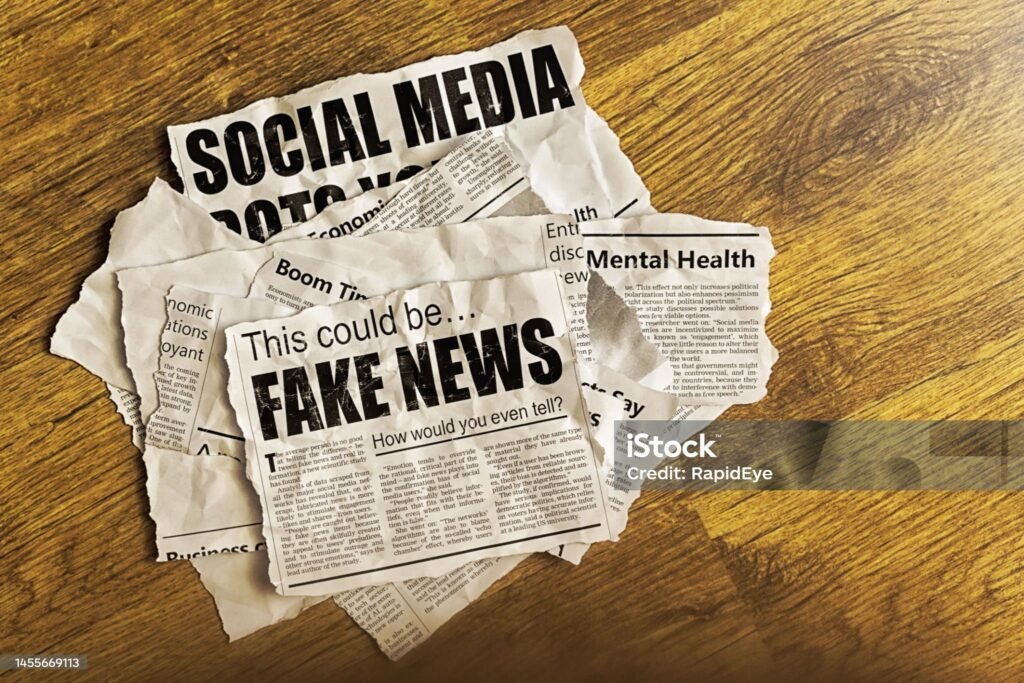
5. Spread of False or Misleading Information
Social media allows information to spread rapidly, but not all content is accurate. Problems include:
- Fake news and manipulated content
- Misleading headlines
- Unverified health or political claims
Misinformation can influence opinions and decisions negatively.
6. Decline in Real-Life Interaction
Excessive focus on online engagement can weaken offline relationships. Effects include:
- Reduced face-to-face communication
- Decreased social skills
- Feelings of isolation despite being “connected”
Digital interaction should not replace meaningful human connection.
7. Impact on Children and Teenagers
Young users are especially vulnerable to social media risks, such as:
- Exposure to harmful or inappropriate content
- Academic distraction
- Emotional sensitivity to online validation
Proper supervision and guidance are essential for younger users.

How Social Media Shapes Society
Social media influences public opinion, culture, and behavior. It has the power to educate, inspire, and unite people, but it can also divide communities and spread negativity. Its impact depends largely on how responsibly it is used by individuals and organizations.
Tips for Using Social Media Responsibly
To reduce negative effects and enhance positive experiences, users should:
- Set daily time limits
- Avoid constant comparison with others
- Verify information before sharing
- Adjust privacy settings regularly
- Take digital breaks
- Prioritize real-world interactions
Mindful usage helps maintain a healthier balance.
Frequently Asked Questions (FAQs)
Q1: Is social media more harmful than beneficial?
Social media itself is neutral; its impact depends on how it is used and managed.
Q2: Can social media affect mental health?
Yes, excessive or unhealthy usage can contribute to stress, anxiety, and low self-esteem.
Q3: Is social media useful for education?
When used wisely, it can support learning, collaboration, and skill development.
Q4: How can social media addiction be controlled?
By setting usage limits, reducing notifications, and engaging in offline activities.
Q5: What are the ways to protect privacy while using social media?
Use strong passwords, review privacy settings, and avoid oversharing personal details.
Conclusion
Social media has become a powerful force in modern life, offering numerous advantages such as global communication, access to information, learning opportunities, creative expression, and business growth. At the same time, the disadvantages of social media—including addiction, mental health challenges, privacy concerns, cyberbullying, and misinformation—present serious concerns that require attention.
The key lies in balanced and intentional usage. By understanding both the benefits and risks, users can make smarter choices, protect their well-being, and use social media as a tool rather than a distraction. When approached thoughtfully, social media can enhance lives instead of overwhelming them.